A Comprehensive Guide Regarding Fire Hydrant Inspection & Upkeep:
Fire hydrants play a vital function in shielding lives and home during fire emergency situations. Routine inspection as well as upkeep of fire hydrants are necessary to ensure their ideal capability. In this guide, we will certainly provide you with comprehensive steps as well as guidelines for evaluating as well as preserving fire hydrants. From comprehending the parts of a fire hydrant to executing routine inspections as well as dealing with common problems, this short article will certainly equip you with the knowledge to maintain fire hydrants in top-notch problem.
Fire hydrants are necessary components used by firemans to gain access to water for fire suppression purposes. They include various elements, including the major valve, running nut, drainpipe valve, and also hydrant body. Understanding the composition of a fire hydrant is critical for efficient inspection as well as upkeep.
Relevance of Regular Inspection as well as Upkeep
Normal inspection as well as upkeep are vital to make certain fire hydrants are in appropriate functioning order when emergency situations occur. Neglecting upkeep can result in decreased water flow, shutoff breakdowns, and various other concerns that might impede firefighting efforts. By adhering to a consistent inspection and maintenance schedule, you can proactively identify and also address any type of problems that may develop.
Fire Hydrant Inspection
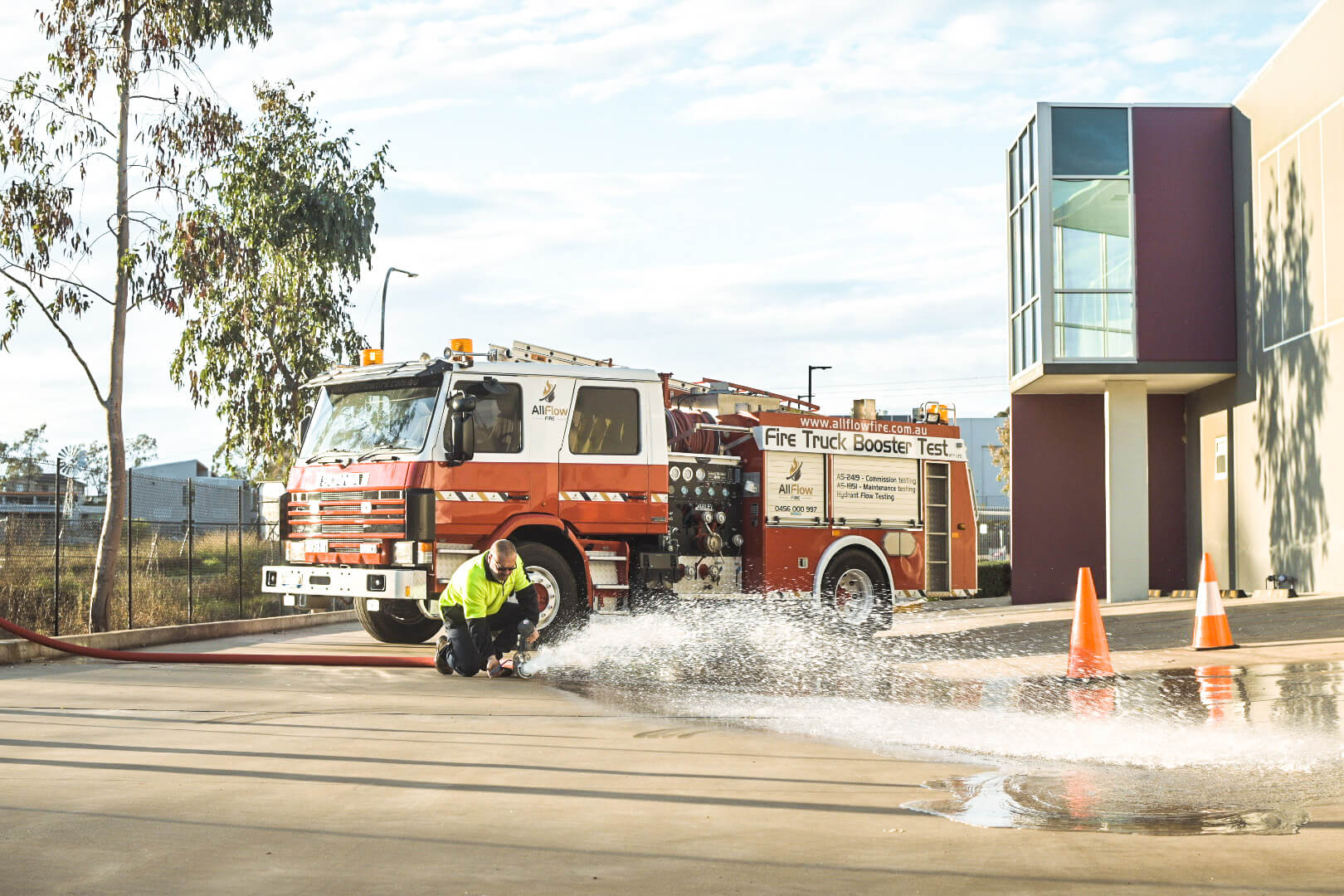
Executing comprehensive inspections is essential to identifying prospective troubles and ensuring the operational preparedness of fire hydrants. Follow these steps for a thorough fire hydrant inspection:
Pre-Inspection Preparation
Prior to beginning the inspection, guarantee you have the required devices and security equipment. This may include a wrench, stress gauge, lubricant, and ideal personal protective tools (PPE). It's vital to focus on safety during the inspection process.
Visual Inspection
Begin the inspection by conducting an aesthetic examination of the fire hydrant. Look for any type of noticeable indicators of damage, corrosion, or leakages. Inspect the surrounding area for obstructions that may hinder access throughout an emergency situation. Check for any type of indicators of tampering or criminal damage, such as broken locks or signs of forced entry. Note any observed issues for further investigation as well as activity.
Running Nut as well as Cap Inspection
Next, focus on the operating nut and also cap. Look for any indicators of damages or wear. Ensure they are appropriately safeguarded as well as easy to eliminate. The operating nut ought to turn efficiently with no excessive resistance or grinding sounds. Oil the operating nut strings with an appropriate lubricating substance to ensure smooth operation. Routine lubrication aids prevent rust as well as deterioration, making certain the nut remains very easy to transform.
Main Shutoff Inspection
The major shutoff is an important part of the fire hydrant. Inspect it for any leakages or indications of deterioration. Seek water infiltration or corrosion around the shutoff body. Open and shut the valve to guarantee it runs smoothly. Observe if the shutoff completely shuts without any residual leaks. Note any problems or problems come across throughout this process, such as too much pressure needed to operate the valve or the valve getting stuck in the open or shut setting.
Drain System Inspection
The water drainage system of a fire hydrant plays an important function in preventing water build-up and freeze damage throughout cold weather. Examine the drainpipe valve for proper performance. Ensure it opens up fully as well as shuts snugly. Evaluate the drain shutoff by opening it quickly to launch any type of gathered water. Expect any type of leaks or indicators of blockage in the drainage system. If you discover any type of issues, such as poor drainage or leakages, think about speaking to an expert to attend to the issue without delay.
Flow Testing
Regular circulation testing is vital to examine the water flow from the fire hydrant. This examination assists identify if the hydrant is capable of providing the needed circulation rates for firefighting objectives. Conducting a flow examination needs customized devices as well as know-how. It is recommended to entail professional inspectors or the neighborhood fire department to perform this examination properly. They will gauge the flow rate and stress of the hydrant to guarantee it meets the called for requirements.
Fire Hydrant Upkeep
Regular upkeep is vital to keep fire hydrants in ideal problem. Here are essential maintenance jobs that need to be performed:
Clearing Particles as well as Obstructions
Regularly examine and clear the area around the fire hydrant to remove any type of particles or obstructions that might hinder its gain access to during an emergency situation. Make sure that there are no thick plants, garbage, or any kind of various other items blocking the hydrant. Trim vegetation in the vicinity to provide easy presence as well as accessibility for firemens.
Lubrication of Relocating Parts
Using lubricating substance to the relocating components of the fire hydrant helps make certain smooth operation as well as protects against corrosion. It is suggested to lubricate the operating nut, primary shutoff, and various other relocating elements at the very least once a year or as per manufacturer's recommendations. Make use of a lubricant especially made for fire hydrants and follow the guidelines given.
Fixing or Replacing Broken Elements
If during the inspection or regular maintenance you discover any broken or malfunctioning parts, it is crucial to resolve them without delay. Replace worn-out or broken parts to restore the functionality of the fire hydrant. This may include changing harmed gaskets, seals, screws, and even the major valve. Always make use of top quality replacement components that adhere to the maker's specifications.
Paint and Noting
Consistently examine the paint and markings on the fire hydrant. With time, weather and also general wear and tear can trigger the paint to fade or chip. Repair any type of faded or damaged paint making use of a fire hydrant-approved paint that abides by the producer's standards. In addition, guarantee that the fire hydrant is effectively classified and also marked with the necessary information, such as its operating pressure and also circulation ability. Clear as well as visible markings help firefighters locate as well as make use of the hydrant effectively throughout emergencies.
Common Fire Hydrant Issues as well as Troubleshooting
Comprehending usual problems that can arise with fire hydrants enables you to repair and resolve them promptly. Below are some typical troubles and their potential options:
Leaks and also Water Seepage
Leakages or water infiltration around the hydrant may suggest damaged gaskets, damaged valves, or tatty seals. Evaluate and fix or change the impacted parts as necessary.
Stuck or Difficult-to-Operate Valves
Valves that are stuck or hard to run might be brought on by debris buildup or corrosion. Extensively tidy the shutoff as well as apply lubricant to recover smooth procedure.
Damages to Hydrant Parts
Damage to hydrant elements, such as a broken operating nut or damaged main valve, can harm the performance of the hydrant. Change the broken components to guarantee proper procedure.
Insufficient Water Circulation

Insufficient water circulation from the hydrant can be triggered by blockages, shutoff malfunctions, or not enough water pressure. Explore the concern and take ideal procedures to recover the required flow.
Frequently Asked Questions
Exactly how commonly should fire hydrants be inspected?
Fire hydrants ought to be evaluated at least once a year. However, in areas with rough environmental conditions or high fire threat, more frequent inspections may be required.
Can I carry out fire hydrant inspections myself?
While standard aesthetic inspections can be done by experienced individuals, it is suggested to involve professional inspectors for The original source even more detailed analyses and circulation testing.
What should I do if I see a damaged fire hydrant?
If you run into a damaged fire hydrant, report it to the ideal authorities or the neighborhood fire department quickly. Do not attempt to fix or replace the hydrant on your own.
Why is water flow testing vital?
Water flow testing ensures that fire hydrants can give the called for flow rates for firefighting procedures. It helps identify any obstructions or issues that might impede water distribution.
Final thought:
Regular inspection as well as maintenance are essential for the efficient operation of fire hydrants. By adhering to the steps described in this overview and immediately attending to Homepage any problems, you can guarantee that fire hydrants are ready to serve their essential role in shielding lives and home throughout fire emergency situations. Bear in mind, a properly maintained fire hydrant can make a considerable distinction in alleviating the influence of fires and safeguarding communities.